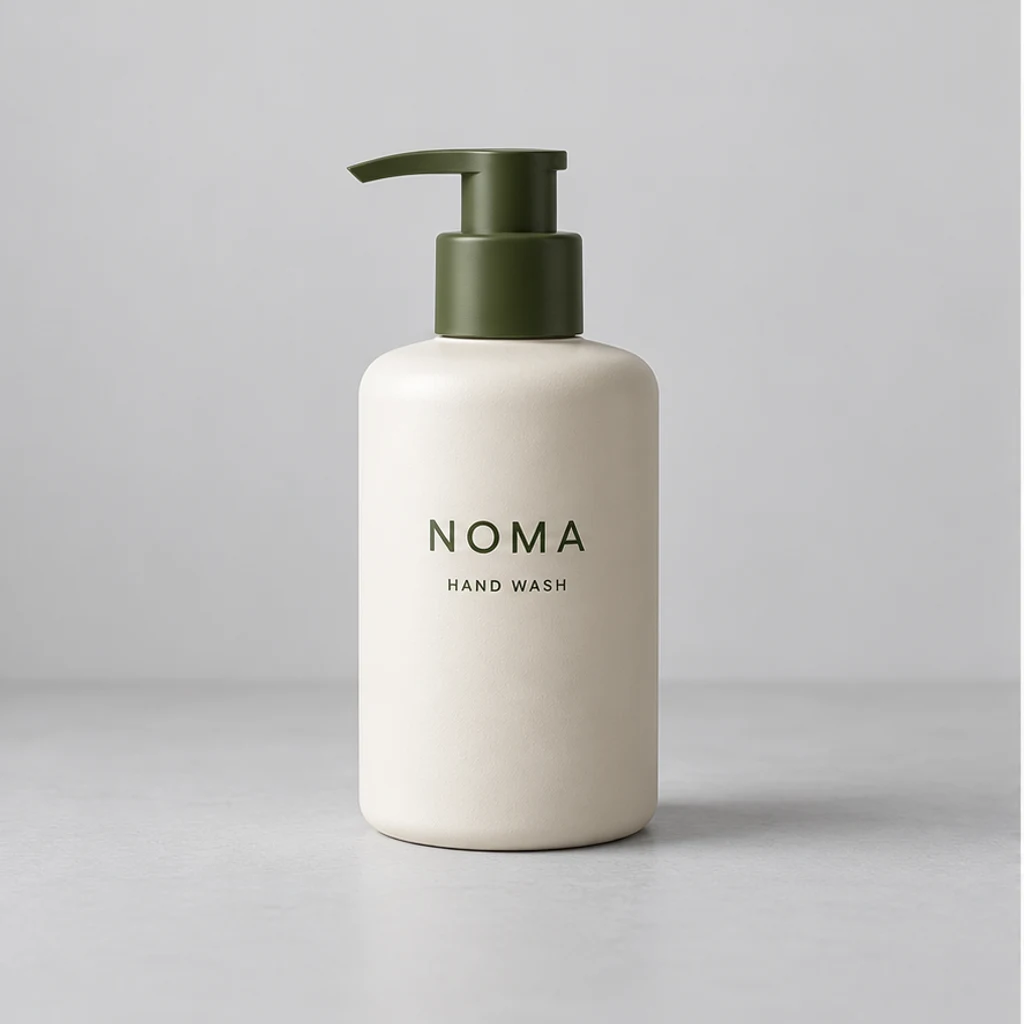
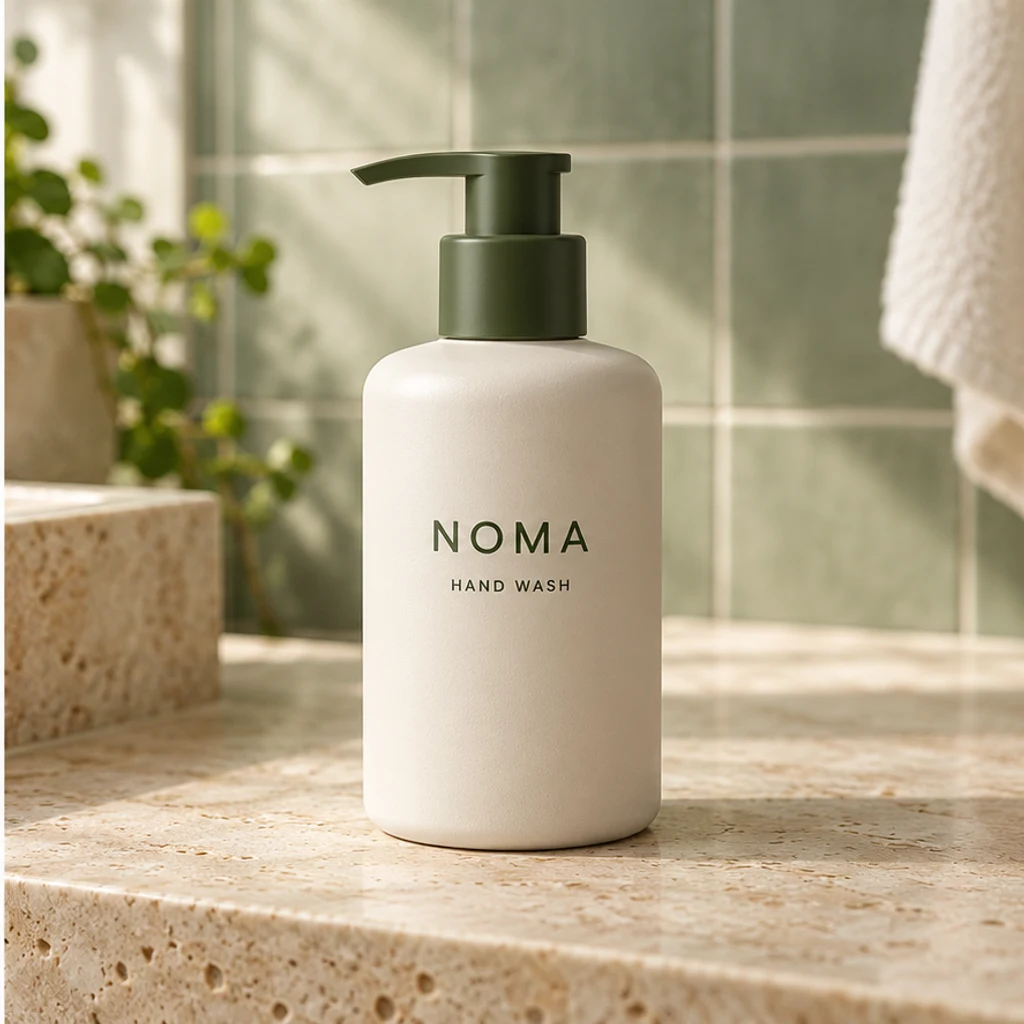
Hand wash on a stone counter
Load this exampleTry a soft bathroom scene around the ivory bottle and olive pump.
Lifestyle product photography shows an item in an everyday context: a mug on a breakfast table, hand wash beside a basin or a speaker on a desk. A plain-background shot helps people inspect the item; a lifestyle image shows where it belongs. With AI, start from a clear photo of the actual product and choose its environment. Compare every result with the source: a beautiful scene is useful only when the item still looks like the one you sell.
LumiYingUpdated
Learn how lifestyle product photography differs from white-background shots, prepare a source photo and create AI scene ideas with a product-detail checklist.
Choose one clear product photo with the whole item visible. A simple background, readable label and soft light give the model a stronger source.
Select a scene card, upload your own reference or write Edit instructions. A reference guides the environment and lighting; the original photo supplies the product. With no direction, the tool chooses a simple everyday setting.
Generate one square product photo. Compare shape, color, logos, readable text and component count. Re-edit with the original input if a detail changes; generation and saved results use your existing history.
Use a suitable result as a shop gallery idea, brand visual or ad candidate. Check the actual product and destination requirements before publication; a lifestyle scene does not replace every white-background product photo.
Choose an environment that helps explain the item. Keep the product easy to inspect; elaborate props should not become the main subject.
Explore scene ideas with these AI-generated illustrations. Choose an example to load its product photo and matching instructions.
Try a soft bathroom scene around the ivory bottle and olive pump.
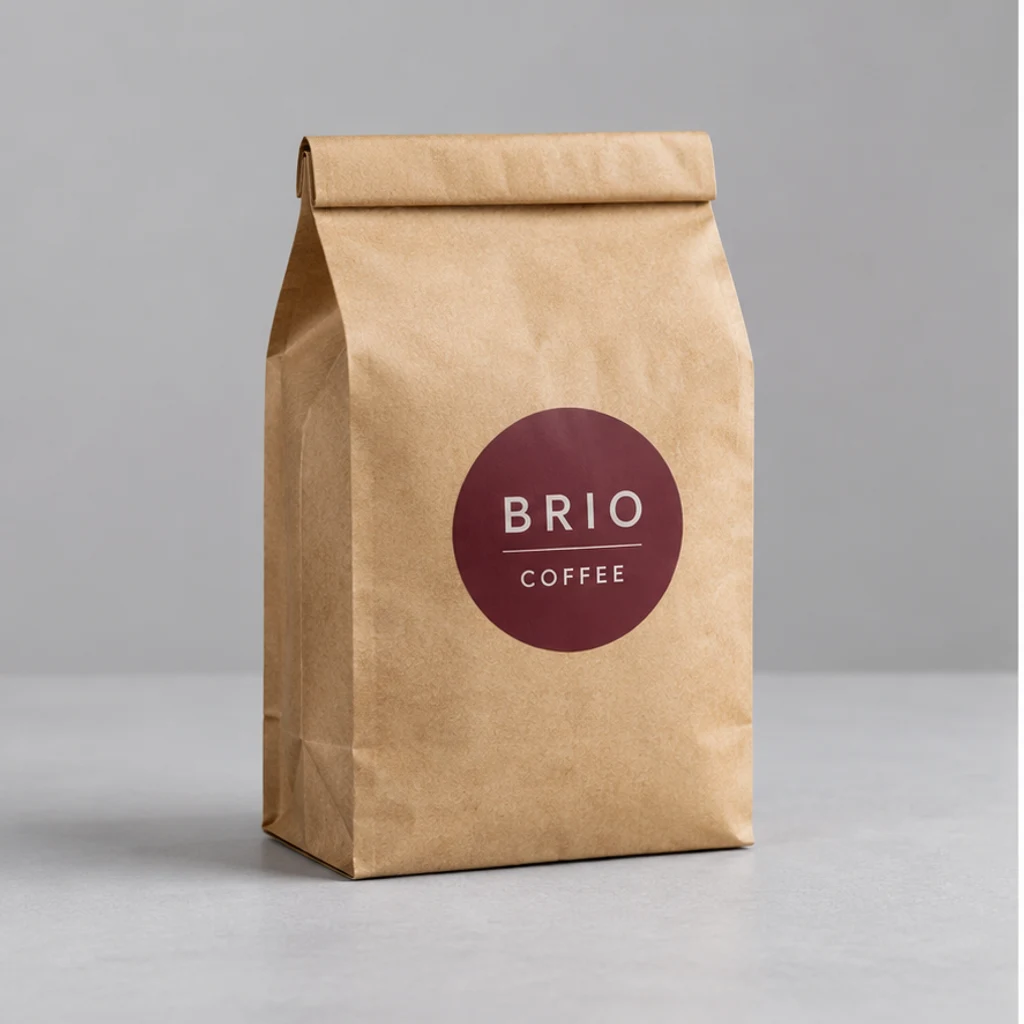
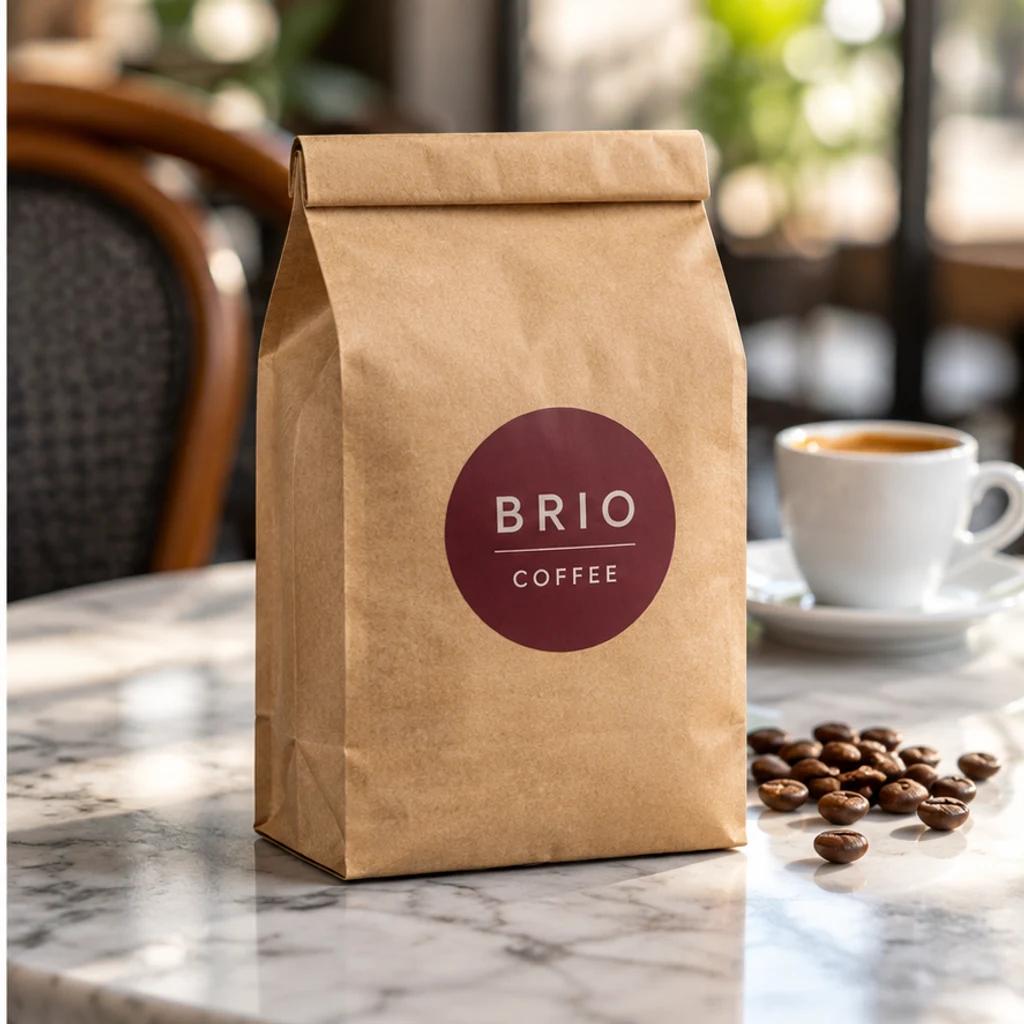
Give the sealed kraft bag a natural café context with a clear front label.
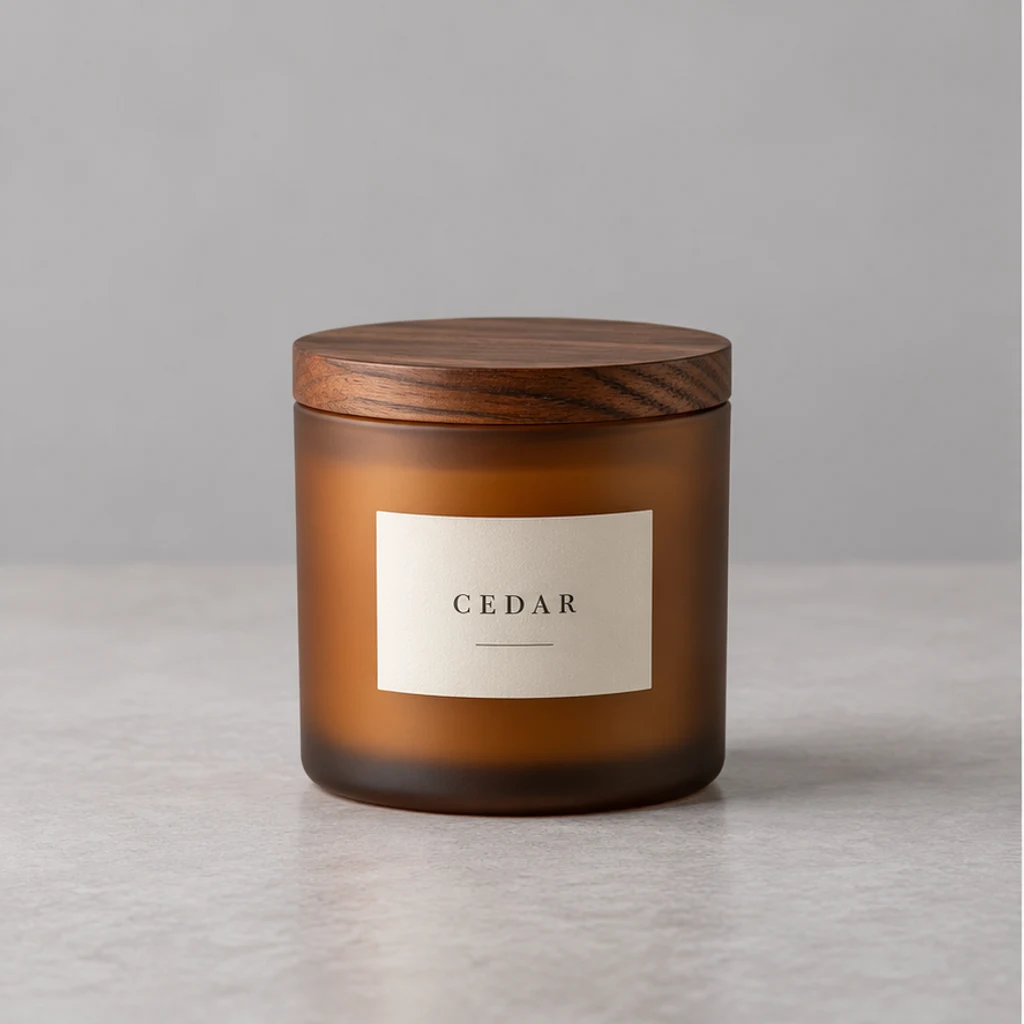
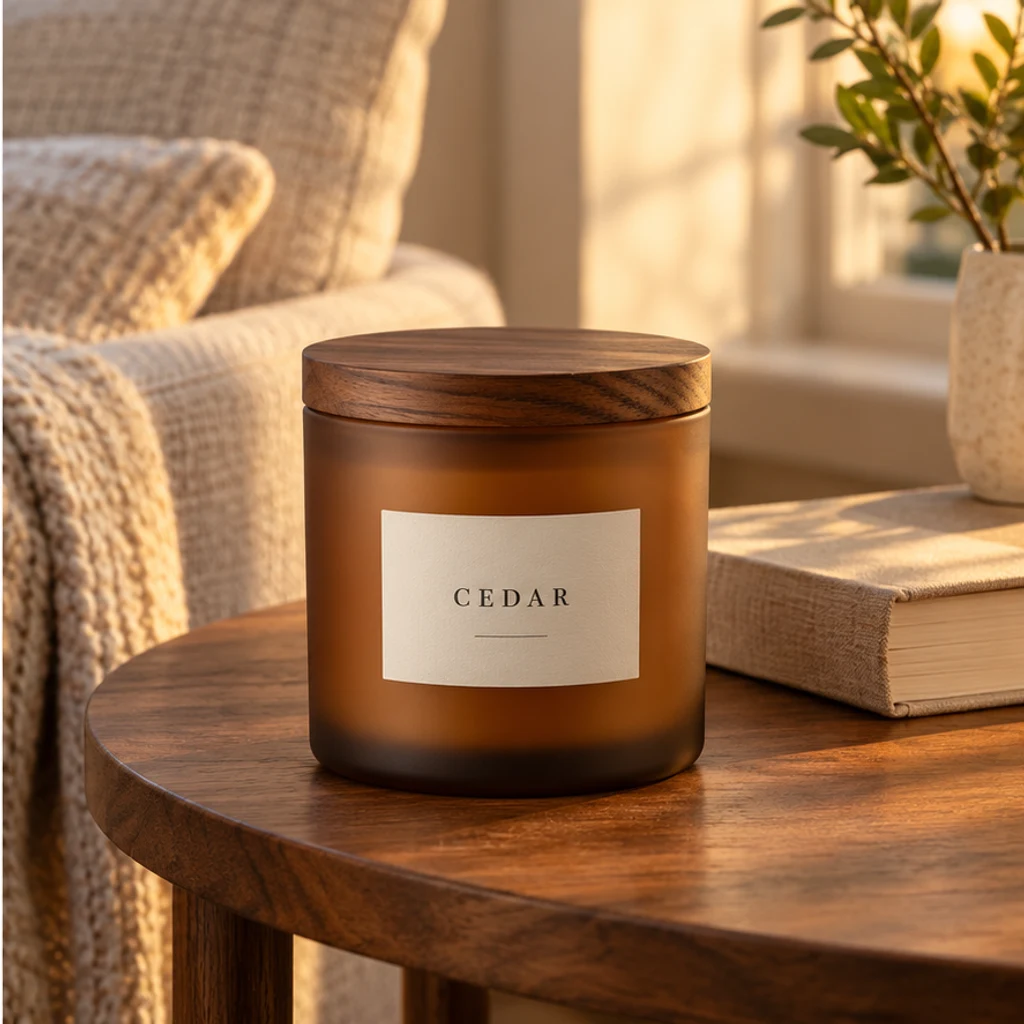
Create a warm reading-corner scene without opening or lighting the candle.
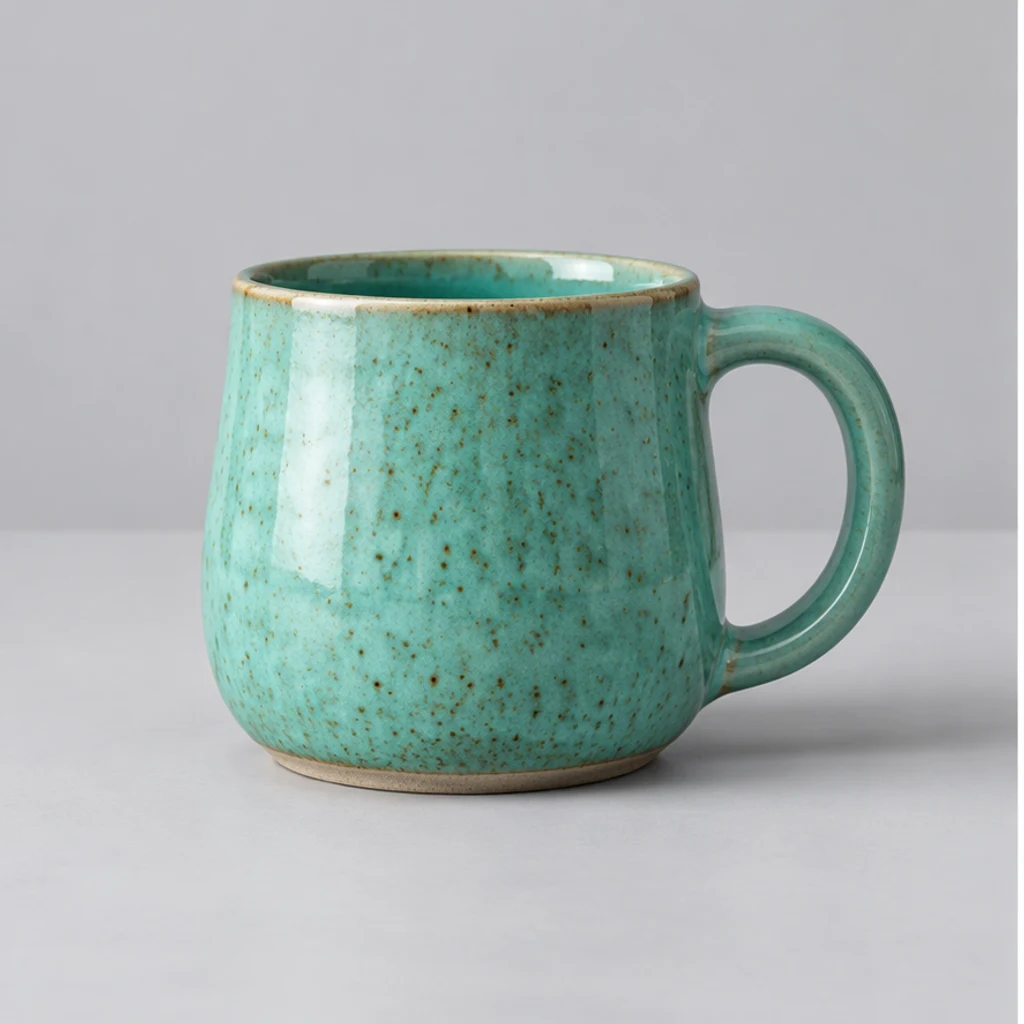
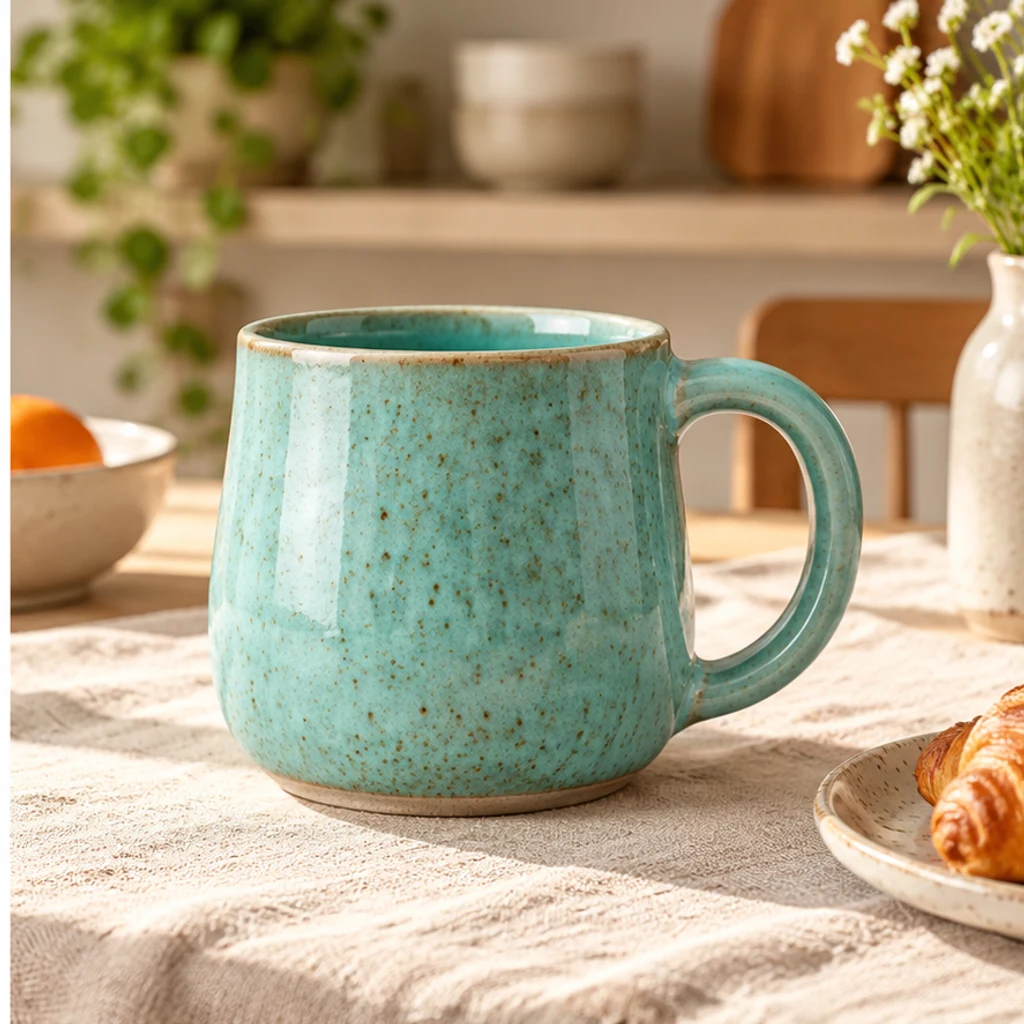
Place the turquoise mug on linen while retaining its handle and glaze.
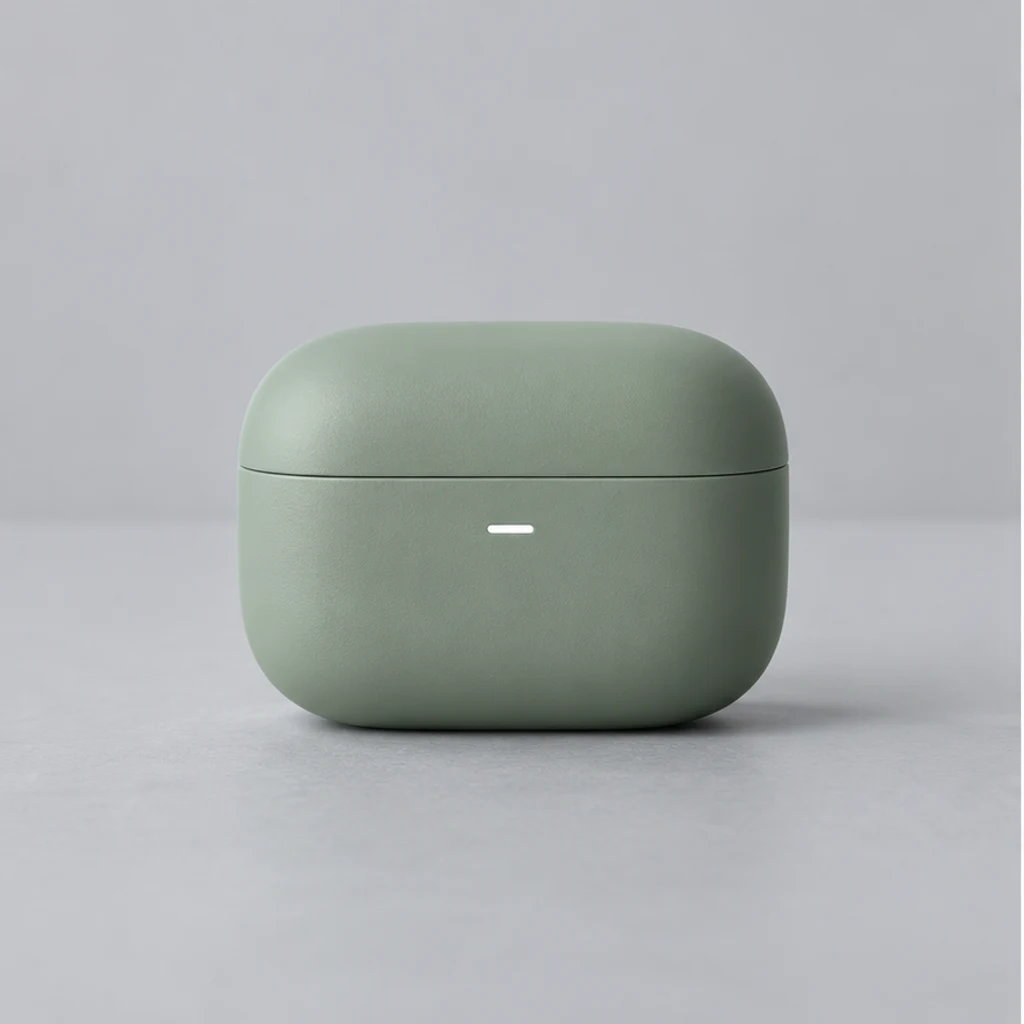
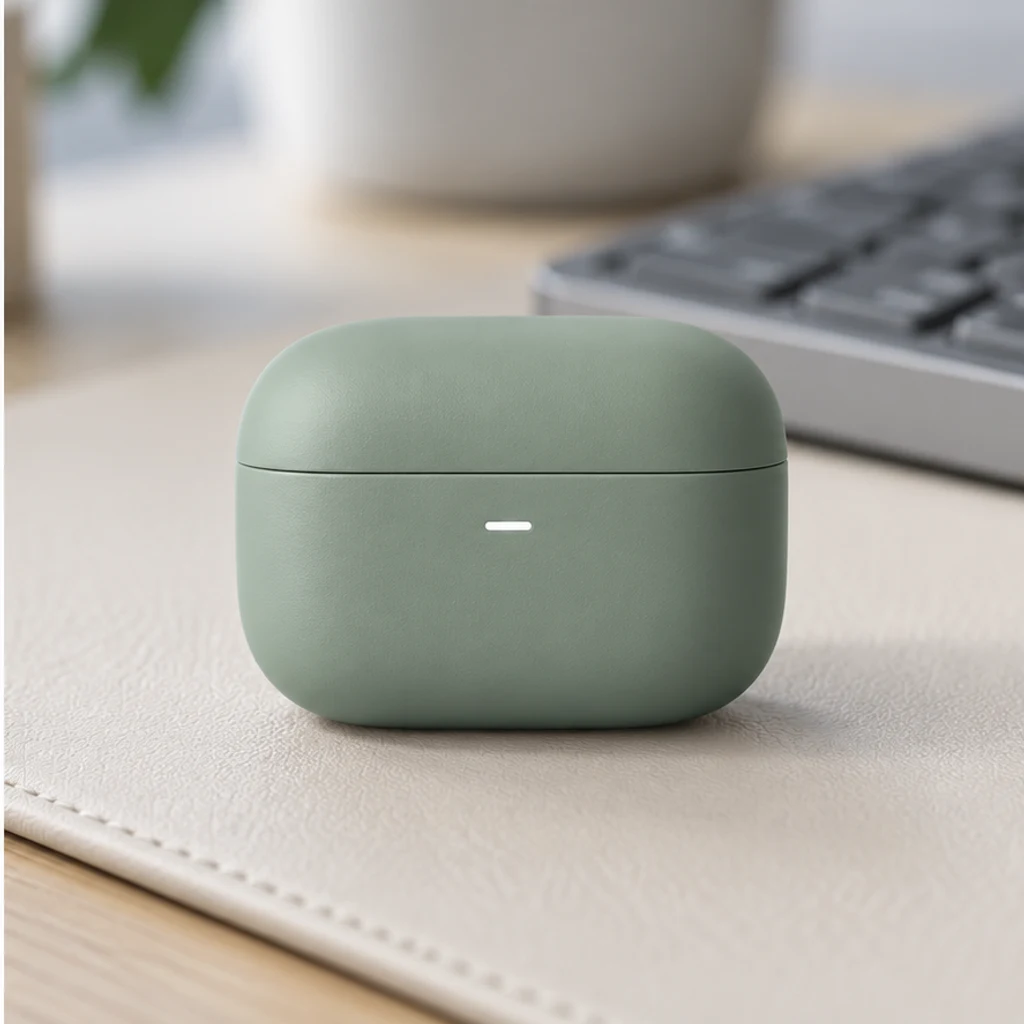
Build a quiet technology scene around the single closed case.
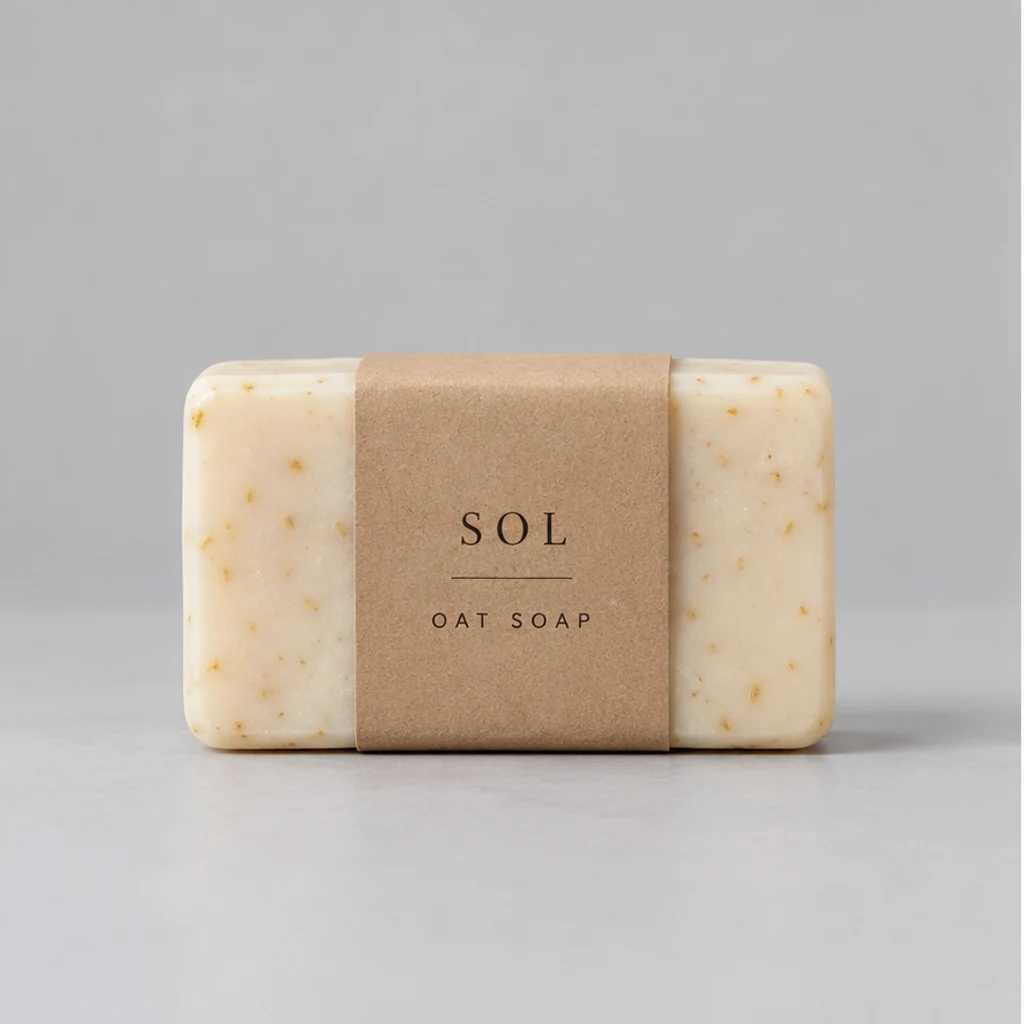
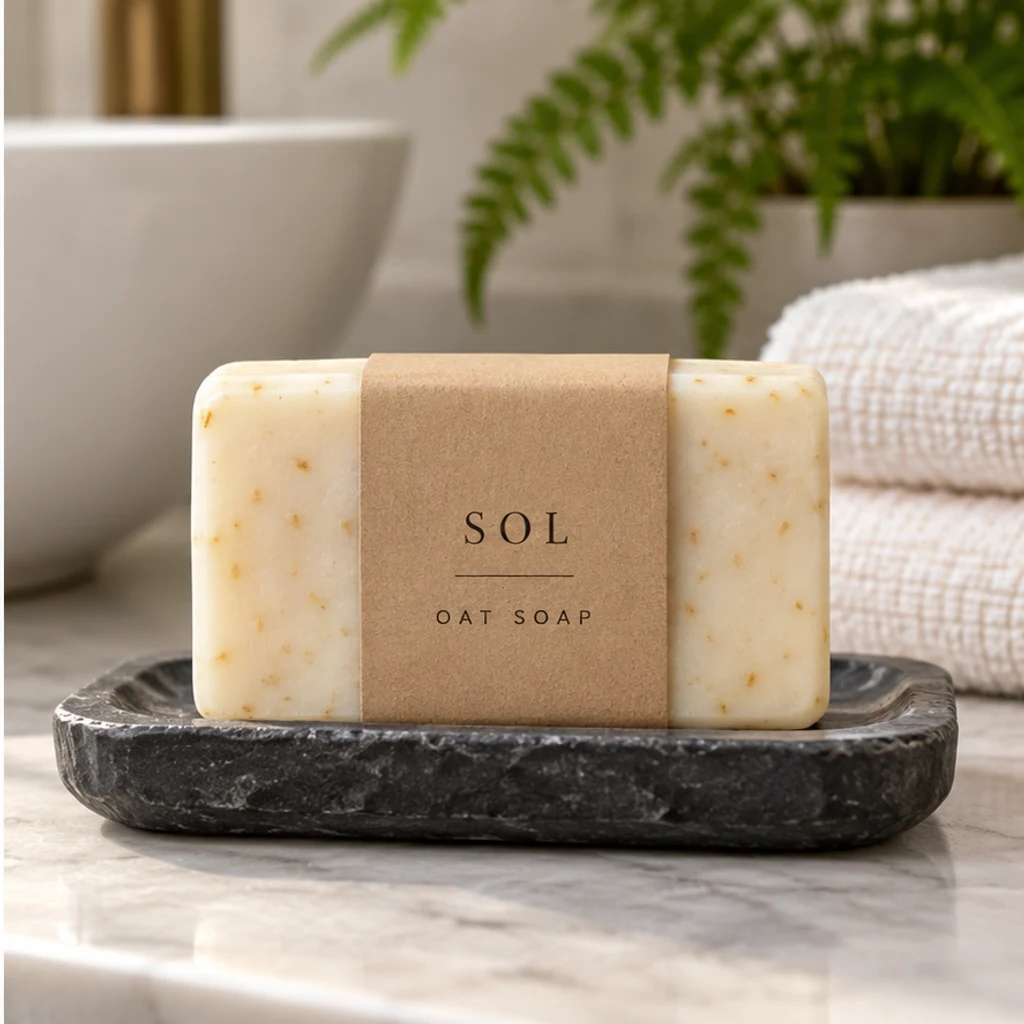
Show the wrapped bar on a soap dish with its paper band still visible.
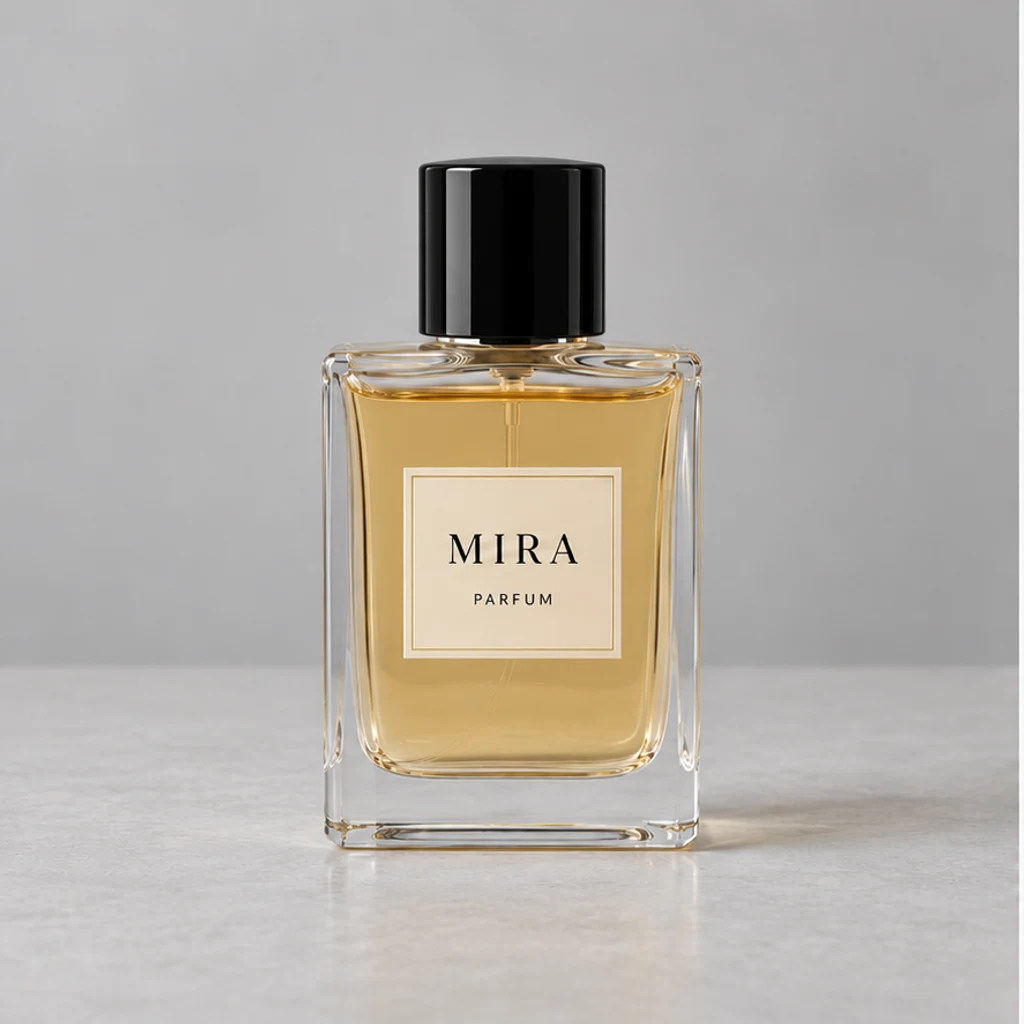
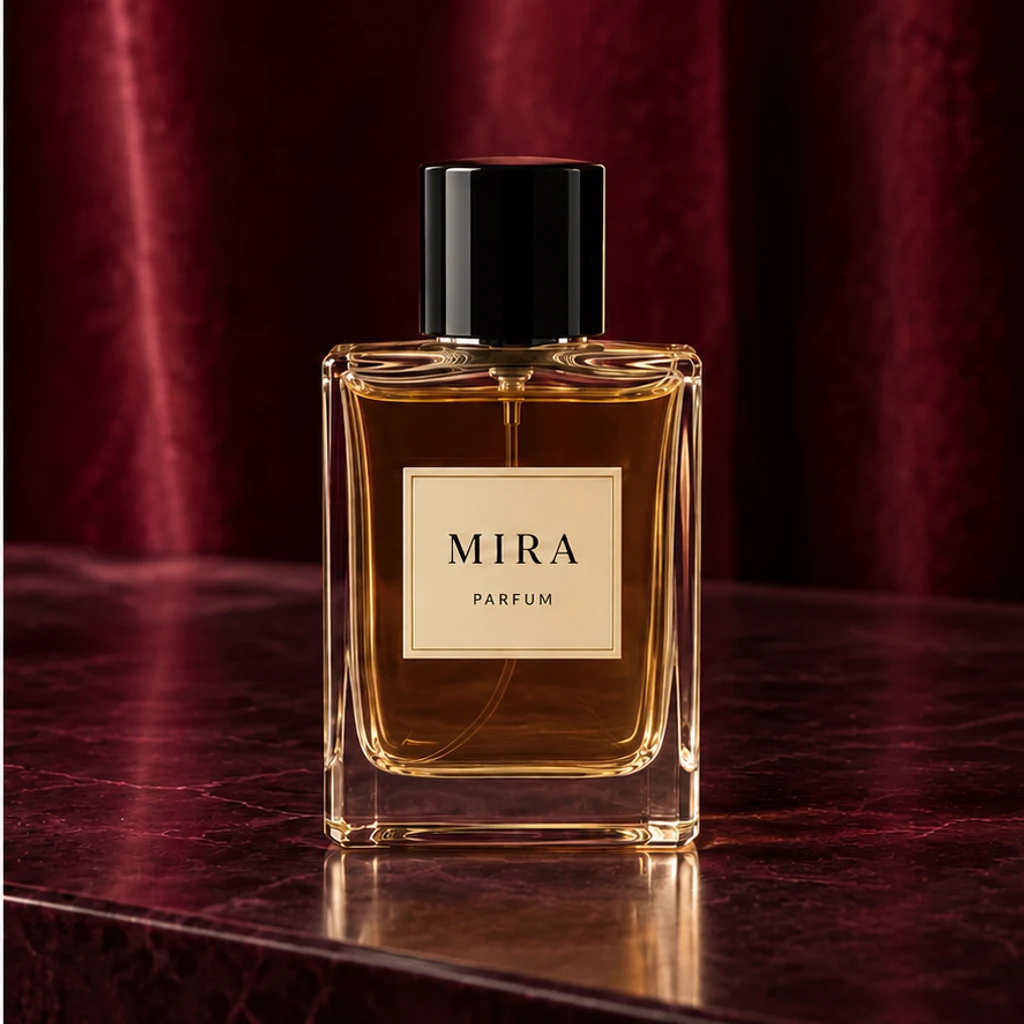
Compare a darker scene while checking glass, liquid level and label.
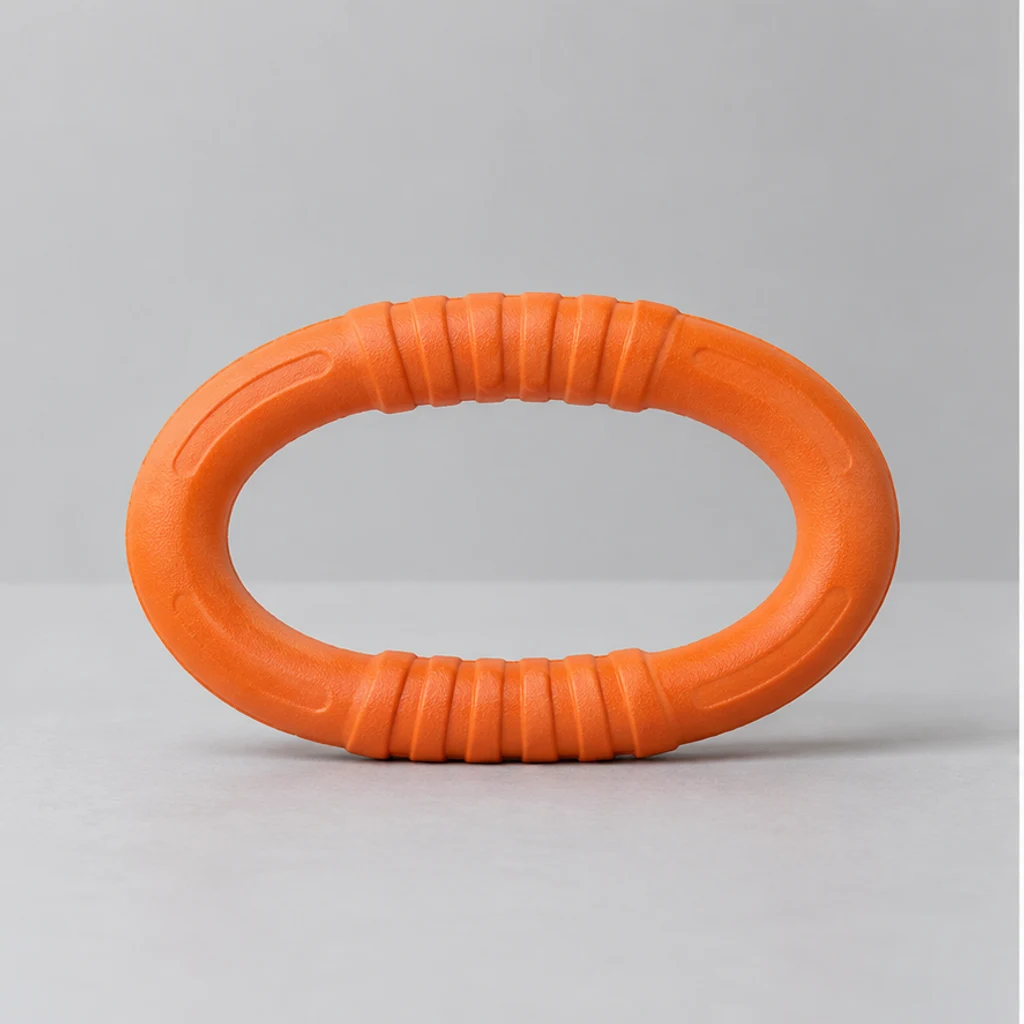
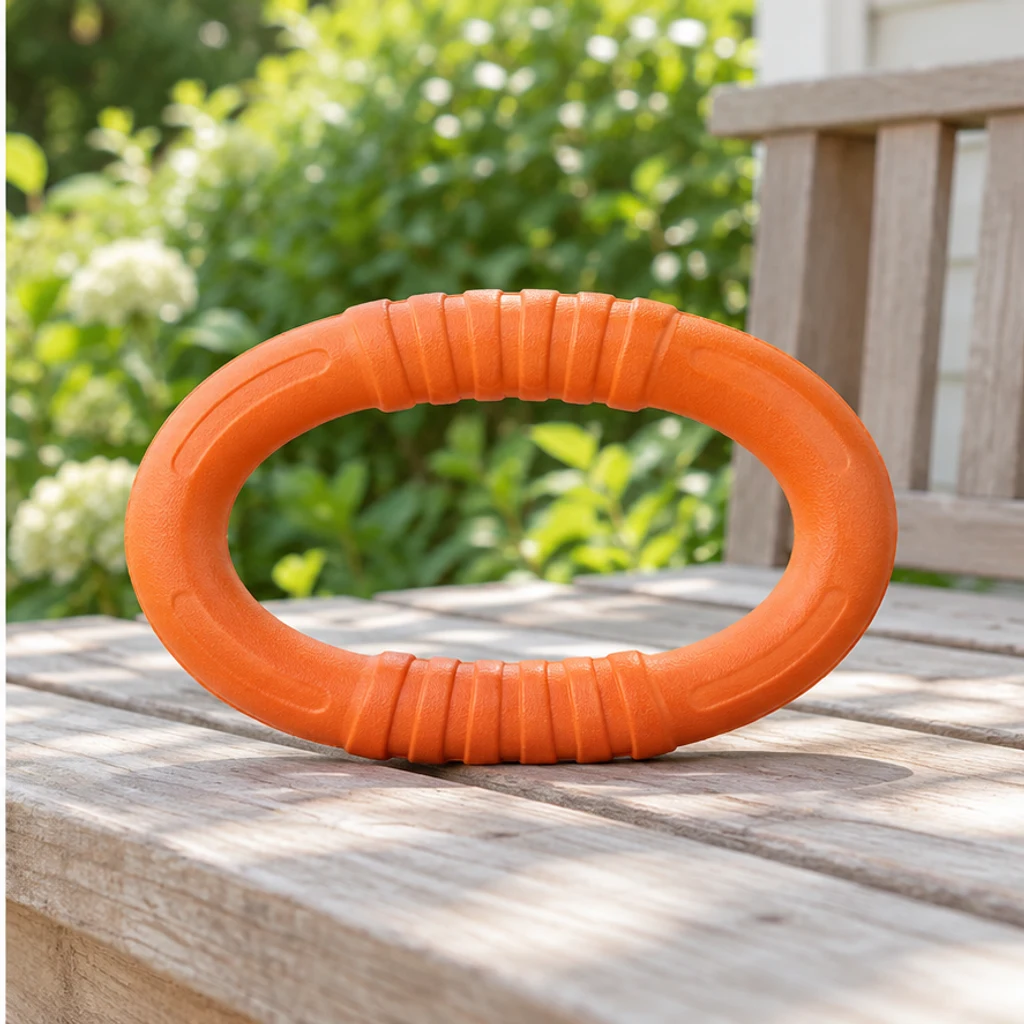
Create an outdoor setting while keeping the loop and molded grip clear.
Generative imagery can change small details. Inspect the item at full size before judging the styling.
It presents a product in a believable everyday environment, helping people understand its context. White-background photos emphasize the item in isolation; both can serve different parts of a product gallery.
No. Upload the product and choose a scene card, your own reference, written instructions or no scene direction. With only the source, the tool chooses a restrained everyday setting appropriate to the item. Scene templates start unselected and can be removed.
Yes. The selected card or your uploaded scene is sent as a second image. They are mutually exclusive. It guides the environment, surface and light; the first photo remains the only source of the merchandise.
The tool is instructed to retain the product's appearance and readable text, but generative edits can still change details. Compare every output with your source and reject inaccurate labels, altered colors or shapes. Exact pixel or barcode preservation is not guaranteed.
This workflow focuses on a single product scene, without people or hands by default. It does not provide garment fitting, hidden-angle reconstruction, measured product scale or a batch-consistent catalog workflow.
Loading an example only fills the form and uses no credits. Generating an image uses LumiYing credits, with the price displayed on Generate. Review the result and your destination's image requirements before using it.
Turn a product photo into a realistic lifestyle scene. Choose a scene reference or describe a setting, then compare the product details before using the result.
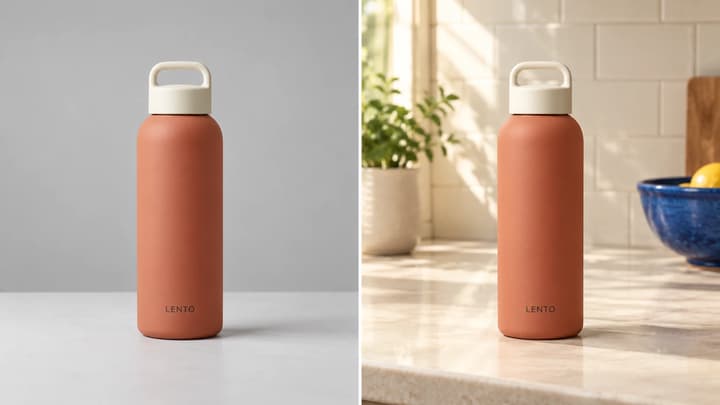
Turn a product photo into a realistic lifestyle scene. Choose a scene reference or describe a setting, then compare the product details before using the result.
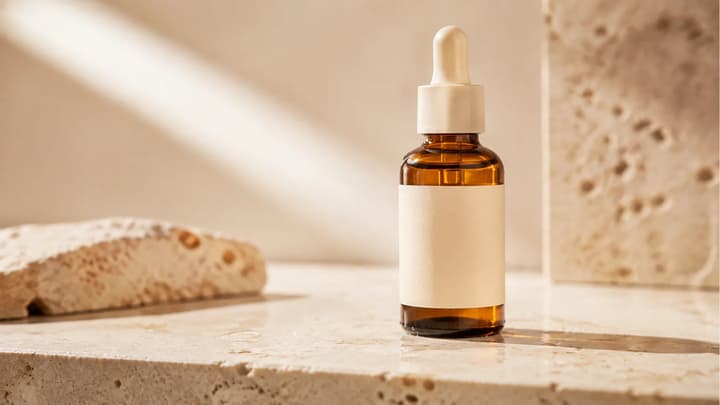
Turn product photos into AI product videos. Direct camera motion and lighting, generate short clips, and review the result before using it in your next campaign.
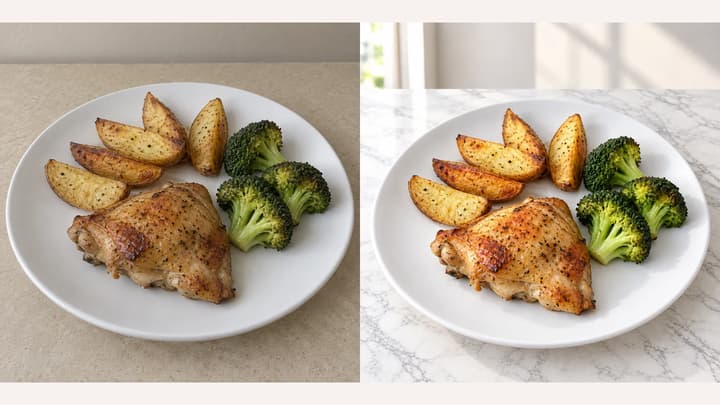
Change food-photo backgrounds and choose an appetite-enhancement template for restaurant menus, delivery listings and food ecommerce. Upload your own background or try a sample, then choose an output ratio.
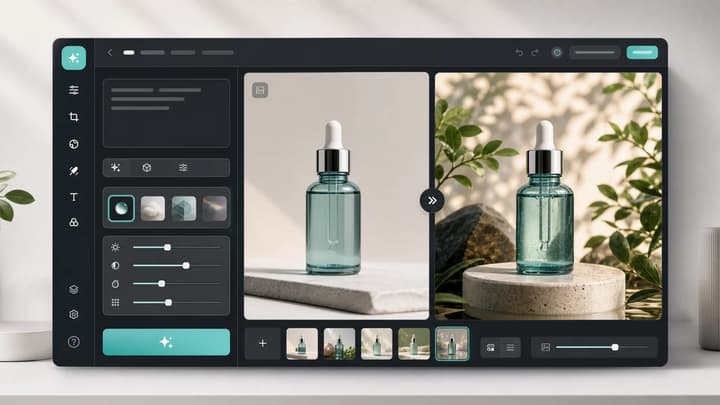
Upload an image, describe the edit, and create polished visuals for products, social posts, posters, or keyframes.
Review credits and plans before generating.
Turn a product photo into a realistic lifestyle scene. Choose a scene reference or describe a setting, then compare the product details before using the result.